From Earth Easy
https://learn.eartheasy.com/guides/garden-mini-insectary/Gardening for Beneficial Insects
Tips and Suggestions for Your Insectary Gardening
- Intersperse vegetable beds with rows or islands of insectary annuals. This will add decorative elements to your vegetable beds while luring beneficials toward prey.
- Allow some of your salad and cabbage crops to bloom. Brassica flowers (cabbage, broccoli, brussel sprouts, bok choy) are also attractive to beneficial insects.
- Include plants of different heights in your insectary. Ground beetles require the cover provided by low-growing plants such as thyme, rosemary, or mint. Lacewings lay their eggs in shady, protected areas, so providing such places near crop plants is a good idea.
- Tiny flowers produced in large quantity are much more valuable than a single, large bloom. Large, nectar-filled blooms actually can drown tiny parasitoid wasps.
- Members of the Umbelliferae family are excellent insectary plants. Fennel, angelica, coriander, dill, and wild carrot all produce the tiny flowers required by parasitoid wasps.
- Composite flowers (daisy and chamomile) and mints (spearmint, peppermint, or catnip) will attract predatory wasps, hoverflies, and robber flies.
- Grow green manure. Clover and vetch, commonly used as cover crops for soil enhancement, are also effective insectary plants.
- Herbs (coriander, dill and fennel) will attract hoverflies, lacewings, ladybugs, and tachinid flies to your garden. Coriander (cilantro) is one of the top insectary plants. Caraway, chervil, dill, fennel, and parsley flowers are also valued insectary plants.
|
“Mini Insectary” Plants |
Beneficial Predators Attracted |
|
Achillea filipendulina (Yarrow) |
Lacewings, Aphidius, Ladybugs |
|
Alyssum
|
Hoverflies, Lacewings, Tachnid flies |
|
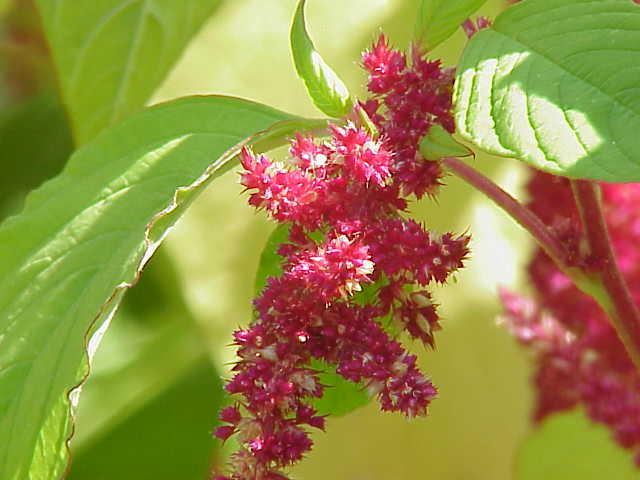
Amaranthus (Amaranth)
|
Ground beetles |
|
Anethum graveolens (Dill)
|
Ichneumon wasp, Ladybugs, Lacewings |
|
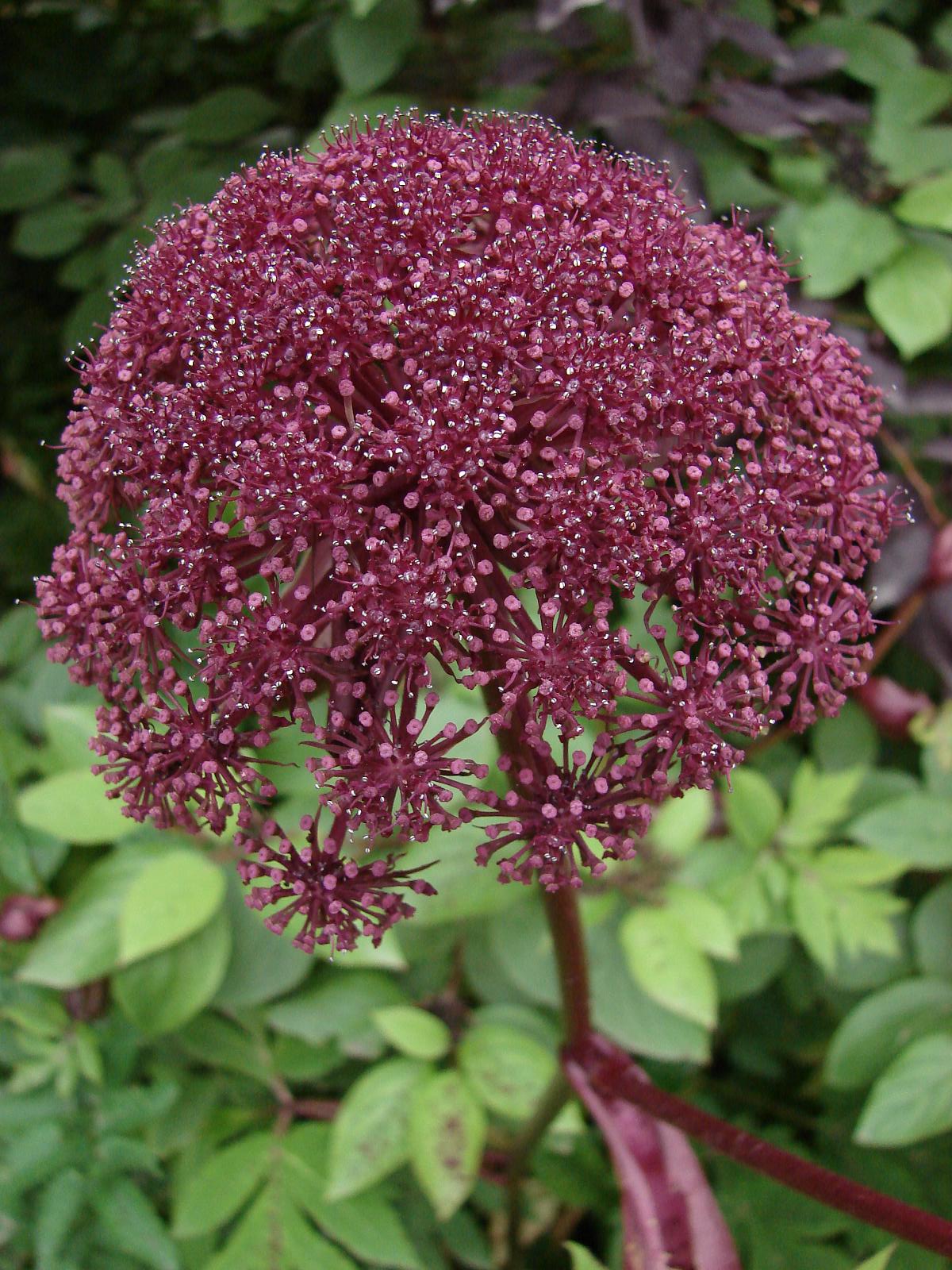
Angelica gigas (Korean angelica, giant angelica, purple parsnip)
|
Lacewings |
|
Convolvulus minor (Dwarf Monring Glory) |
Ladybugs, Hoverflies |
|
Coreopsis (Tickseed)
|
Hoverflies, Lacewings, Parasitic wasps |
|
Cosmos bipinnatus (Garden Cosmos)
|
Hoverflies, Parasitic wasps, Lacewings |
|
Digitalis (Foxglove) |
Dicyphus |
|
Daucus Carota (Queen Anne’s lace)
|
Lacewings, Ladybugs, Hoverflies |
|
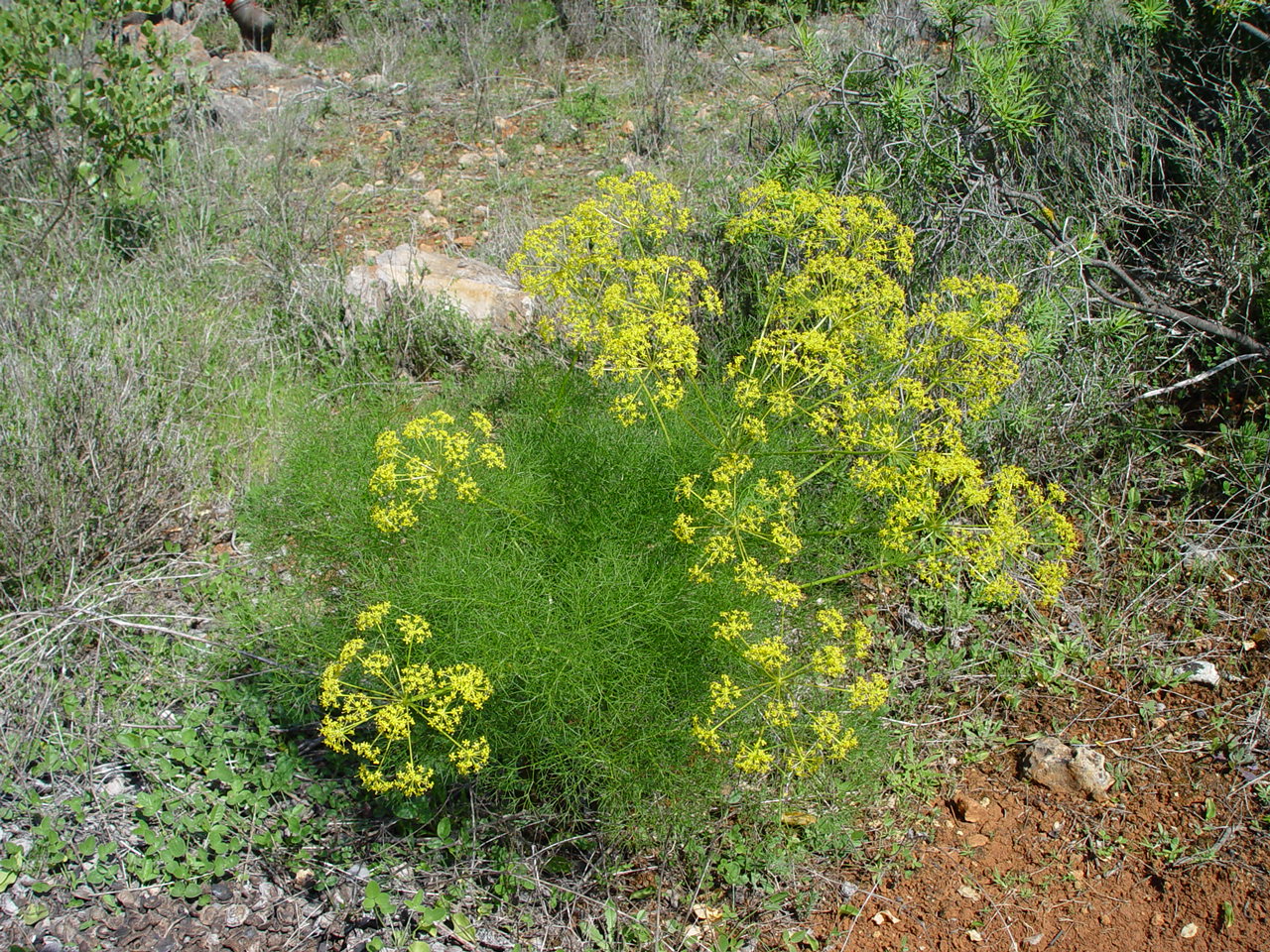
Foeniculum vulgare (Fennel)
|
Foeniculum vulgare (Fennel) |
|
Helianthus annulus (common Sunflower)
|
Pirate bugs, Beneficial mites,, Aphidius, Parasitic wasps |
|
Iberis umbellata (Candytuft)
|
Hoverflies |
|
Limonium latifolium (Statice)
|
Hoverflies, Parasitic wasps |
|
Lupine
|
Aphidius, Aphidoletes, Hoverflies |
|
Melissa officinalis (Lemon balm)
|
Parasitic wasps, tachinid flies |
|
Petroselinum crispum (Parsley)
|
Parasitic wasps, hoverflies, tachinid flies |
|
Scabiosa (Pincushion flower)
|
Hoverflies, Parasitic wasps |
|
Shasta Daisy
|
Pirate bugs, Beneficial mites |
|
Tanacetum vulgare (Tansy)
|
Ladybugs, Lacewings |
|
Verbascum thaspus (Mullin)
|
Dicyphus |











|
Beneficial Predators |
Prey |
|
Aphidius (Parasitic wasps)
|
Aphids |
|
Aphidoletes (Small midge)
|
Aphids |
|
Beneficial mites (many species) |
Thrips, spidermite, fungus gnats |
|
Damsel Bugs (Nabidae) |
Eggs of many pest insects |
|
Dicyphus
|
Whiteflies, aphids, thrips, spider mites |
|
Ground Beetles
|
Slugs, small caterpillars and grubs |
|
Hoverflies
|
Aphids, mealybugs and others |
|
Lacewings
|
Scale, aphids, mites, softbodied insects |
|
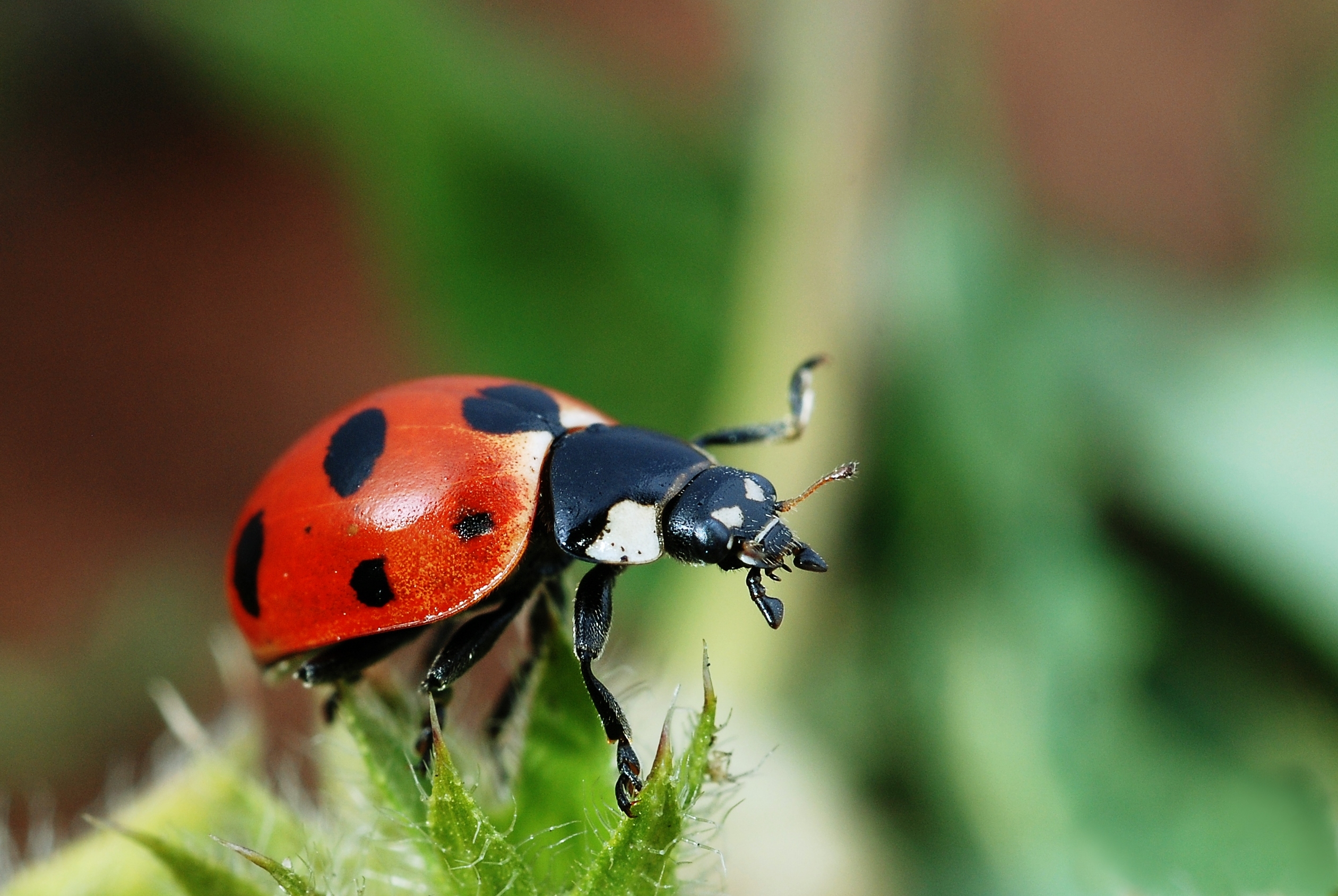
Ladybugs
|
Aphids, mites |
|
Pirate Bugs
|
Thrips, aphids, mites, scales, whiteflies |
|
Tachinid flies
|
Caterpillars, beetle and fly larvae |
|
Parasitic Wasps (many species) |
Whiteflies, moth, beetle and fly larvae |




 Iris Care: In the spring when tulips are blooming in your neighborhood apply a light application of low-nitrogen fertilizers (6-10-10). Apply a second light application about a month after bloom; this will reward you with good growth and bloom. Avoid using anything high in nitrogen. After tall-bearded irises stop blooming, cut off spent flower stalks to promote new rhizome growth.


 it cone-like spikes, it is usually the first to bloom in late March or early April. It has a strong camphor or piney scent. This pollinator friendly is not used in cooking, crafts or in oil production, but because it is the first to bloom, it has a place in the garden; it looks nice planted in mass and provides an early food source for bees and pollinators. If pruned it may re-bloom in August or September. Not as cold hardy as English or French lavenders.
 the scent most people associate with lavender. Its colors range from white, pick, blue to deep purple. English Lavender is used for fresh cut flower, dried flowers, potpourris, cooking, and for oil distillation. English lavender can range in size from dwarf (12 inches), semi-dwarf (20 inches) and tall (46 inches). Plants bloom May though June and are cold hardy. Some varieties will re-bloom if pruned after flowering.
 a hybrid of L. angustifolia and L. latifolia. French Lavender blooms in mid-summer. It is one the tallest of the lavenders and its long strong stems are good for using in crafts. French lavender produces more oil than L. angustifolia, but the quality is not as fine. Plants are cold hardy.