Kristina Lefever, President of the Rogue Valley Pollinator Project & Ashland Garden Club Member.
Kristina gives us another tour of the native pollinator frontscape in progress at the Pollination Place, 312 N. Main, Phoenix, OR.
Kristina Lefever, President of the Rogue Valley Pollinator Project & Ashland Garden Club Member.
Kristina gives us another tour of the native pollinator frontscape in progress at the Pollination Place, 312 N. Main, Phoenix, OR.
From Earth Easy
https://learn.eartheasy.com/guides/garden-mini-insectary/Gardening for Beneficial Insects
Tips and Suggestions for Your Insectary Gardening
|
“Mini Insectary” Plants |
Beneficial Predators Attracted |
|
Achillea filipendulina (Yarrow) |
Lacewings, Aphidius, Ladybugs |
|
Alyssum
|
Hoverflies, Lacewings, Tachnid flies |
|
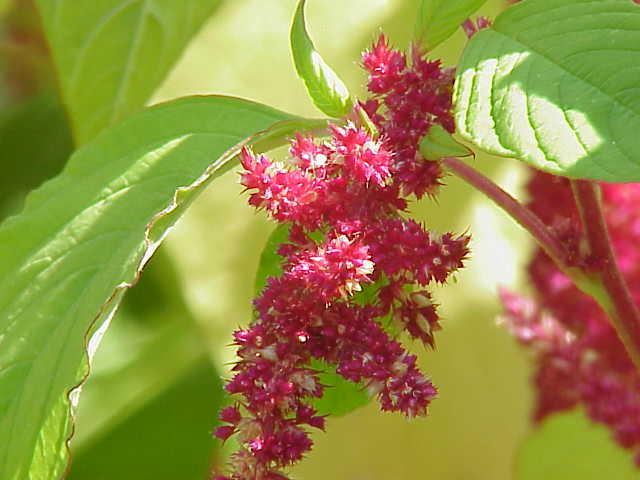
Amaranthus (Amaranth)
|
Ground beetles |
|
Anethum graveolens (Dill)
|
Ichneumon wasp, Ladybugs, Lacewings |
|
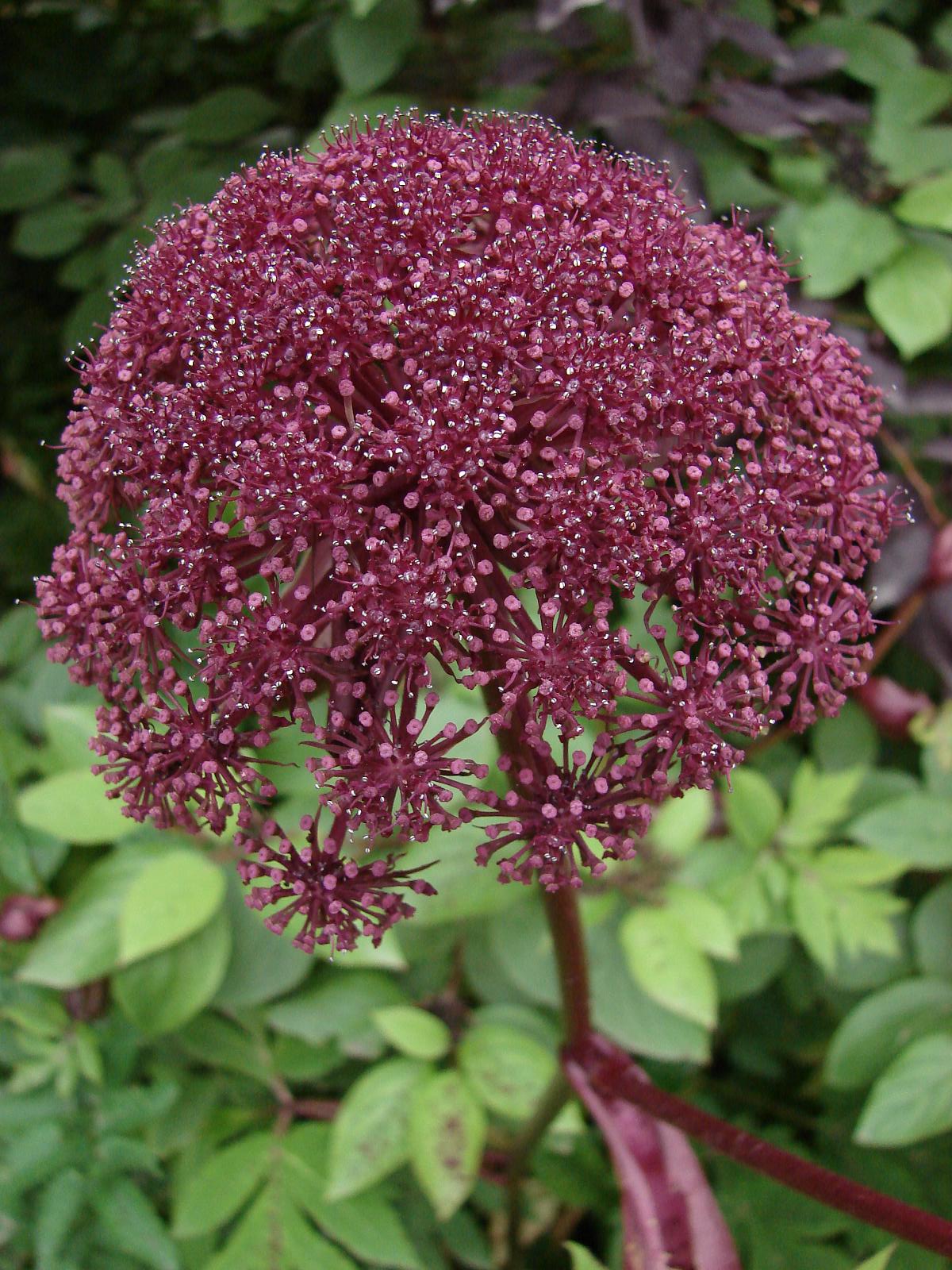
Angelica gigas (Korean angelica, giant angelica, purple parsnip)
|
Lacewings |
|
Convolvulus minor (Dwarf Monring Glory) |
Ladybugs, Hoverflies |
|
Coreopsis (Tickseed)
|
Hoverflies, Lacewings, Parasitic wasps |
|
Cosmos bipinnatus (Garden Cosmos)
|
Hoverflies, Parasitic wasps, Lacewings |
|
Digitalis (Foxglove) |
Dicyphus |
|
Daucus Carota (Queen Anne’s lace)
|
Lacewings, Ladybugs, Hoverflies |
|
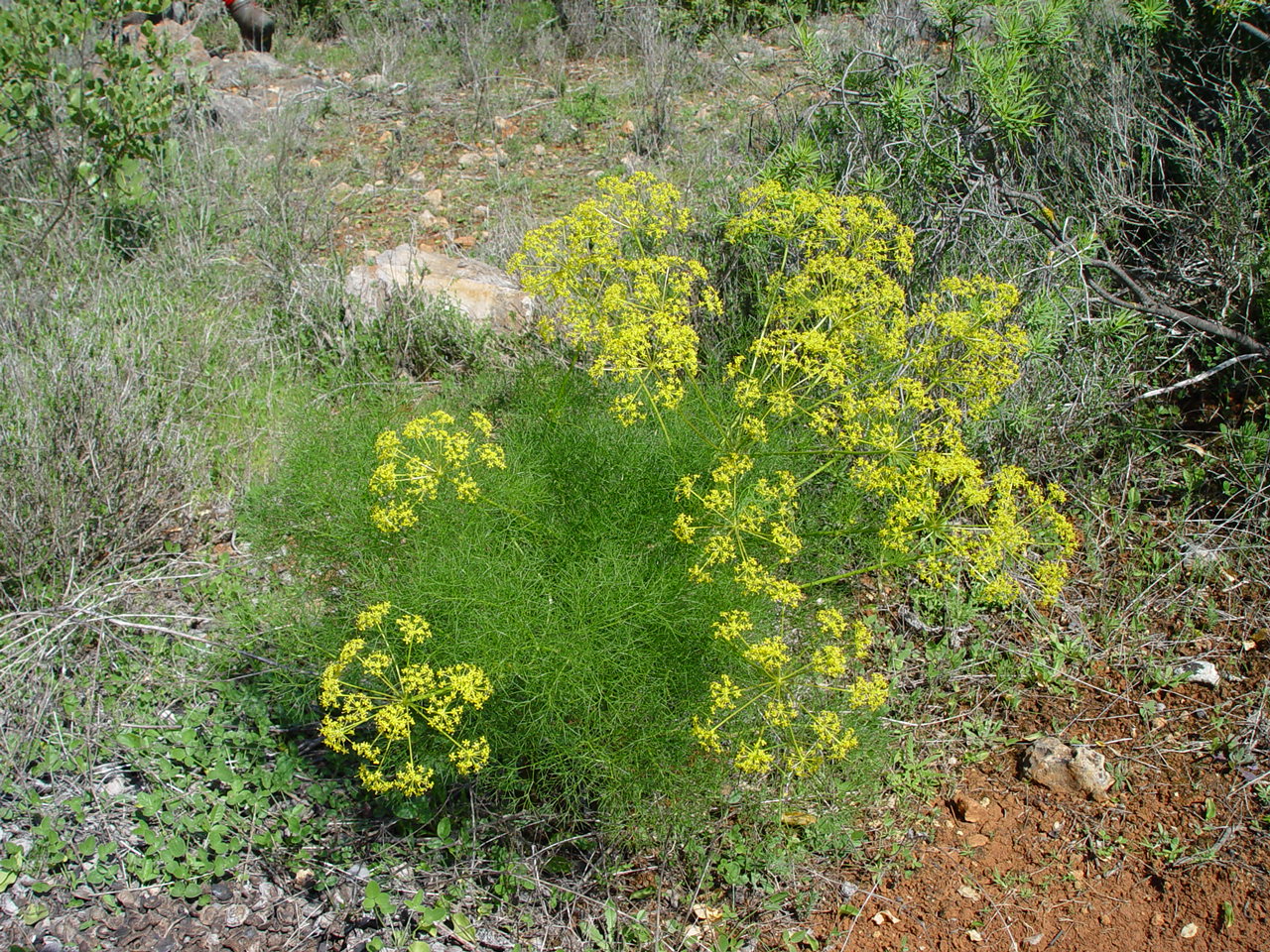
Foeniculum vulgare (Fennel)
|
Foeniculum vulgare (Fennel) |
|
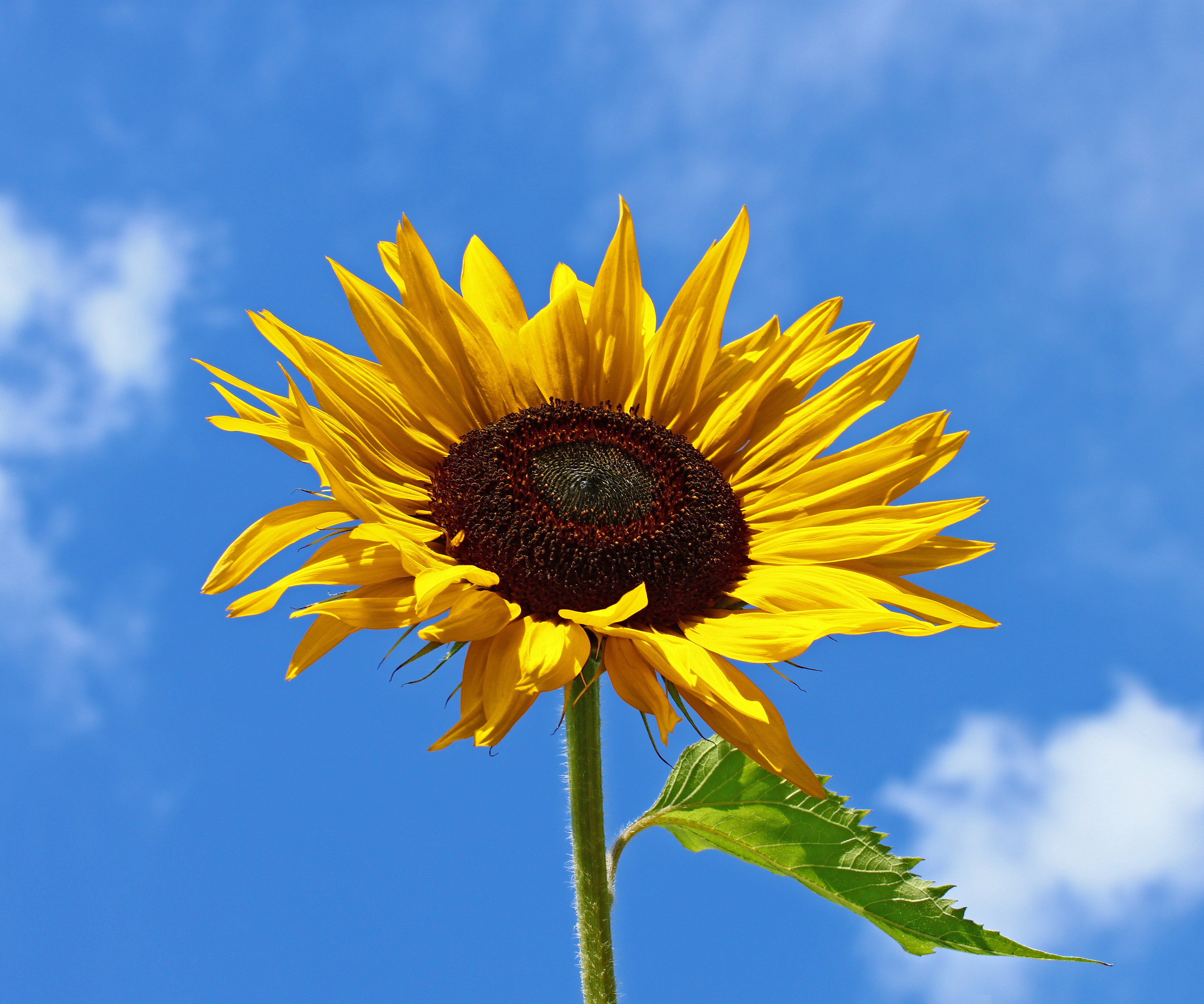
Helianthus annulus (common Sunflower)
|
Pirate bugs, Beneficial mites,, Aphidius, Parasitic wasps |
|
Iberis umbellata (Candytuft)
|
Hoverflies |
|
Limonium latifolium (Statice)
|
Hoverflies, Parasitic wasps |
|
Lupine
|
Aphidius, Aphidoletes, Hoverflies |
|
Melissa officinalis (Lemon balm)
|
Parasitic wasps, tachinid flies |
|
Petroselinum crispum (Parsley)
|
Parasitic wasps, hoverflies, tachinid flies |
|
Scabiosa (Pincushion flower)
|
Hoverflies, Parasitic wasps |
|
Shasta Daisy
|
Pirate bugs, Beneficial mites |
|
Tanacetum vulgare (Tansy)
|
Ladybugs, Lacewings |
|
Verbascum thaspus (Mullin)
|
Dicyphus |
|
Beneficial Predators |
Prey |
|
Aphidius (Parasitic wasps)
|
Aphids |
|
Aphidoletes (Small midge)
|
Aphids |
|
Beneficial mites (many species) |
Thrips, spidermite, fungus gnats |
|
Damsel Bugs (Nabidae) |
Eggs of many pest insects |
|
Dicyphus
|
Whiteflies, aphids, thrips, spider mites |
|
Ground Beetles
|
Slugs, small caterpillars and grubs |
|
Hoverflies
|
Aphids, mealybugs and others |
|
Lacewings
|
Scale, aphids, mites, softbodied insects |
|
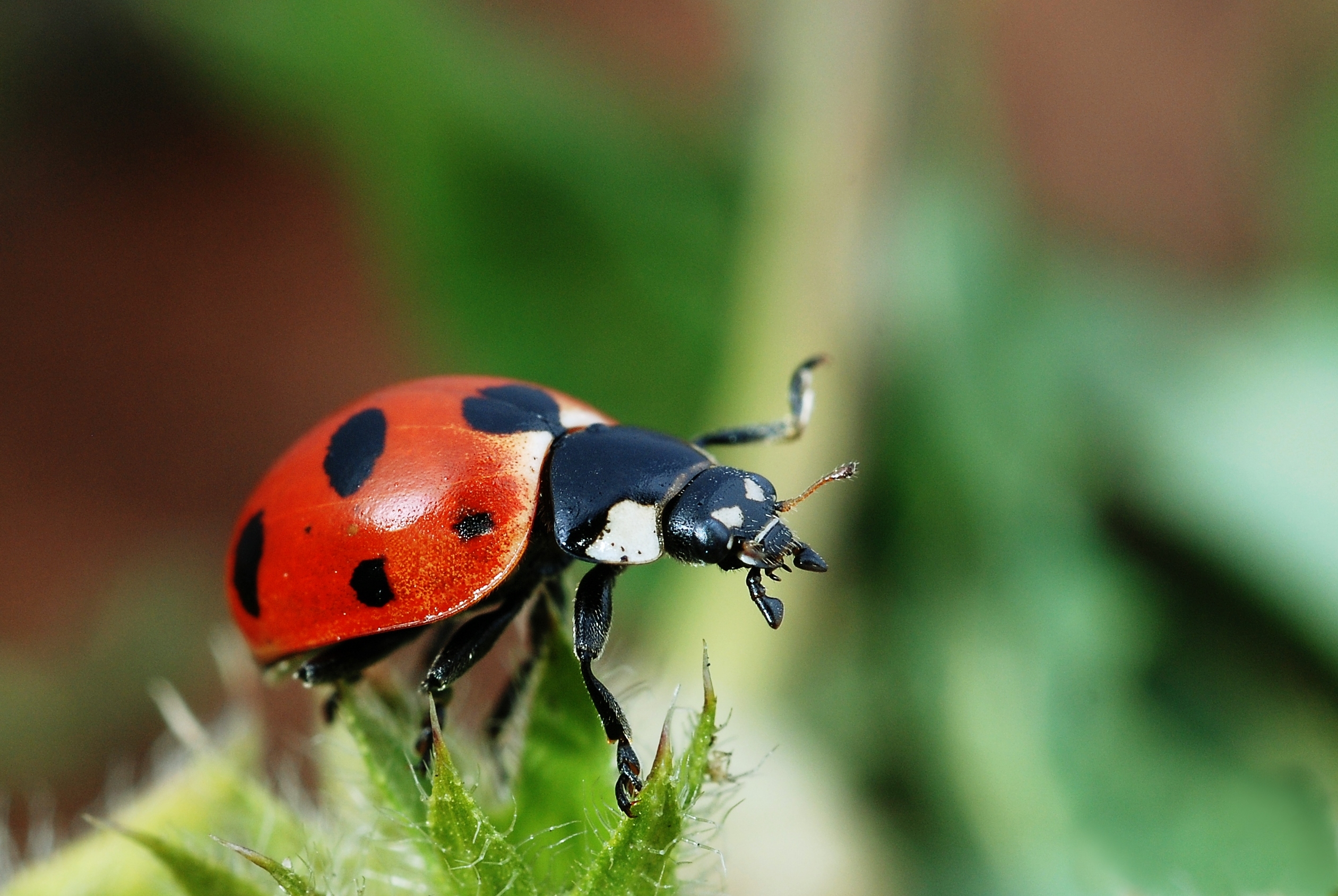
Ladybugs
|
Aphids, mites |
|
Pirate Bugs
|
Thrips, aphids, mites, scales, whiteflies |
|
Tachinid flies
|
Caterpillars, beetle and fly larvae |
|
Parasitic Wasps (many species) |
Whiteflies, moth, beetle and fly larvae |
Plant Name: Collomia grandiflora
Common name: Large Flower Collomia
Plant Type: Annual Herb
Plant Height: 4” – 3’
Bloom Time: April – June
Flower Color: Yellow Salmon to White with Blue Pollen
Exposure: Part Shade to Full Sun
Soil Requirements: Dry
Water Needs: Low to No Water.
Attributes: Pollen for Bees.
Note: Flowers are eaten by deer. Powdery mildew is possible.
Uses: Cut Flower; Native Garden; Wildflower gardening; Pollinator Garden.
Native to: Western North America
Oregon Native: YES
USDA Hardiness Zone: 6a – 9b
Report by: Viki Ashford
Why we Love Lavender:
Lavender has its roots in the Mediterranean Counties. So think in terms of full, intense, hot sun and rocky stony soil that’s not especially nutrient rich, but has good drainage. Southern Oregon has ideal conditions for growing lavender.
Most garden centers offer three major species of lavender:
 it cone-like spikes, it is usually the first to bloom in late March or early April. It has a strong camphor or piney scent. This pollinator friendly is not used in cooking, crafts or in oil production, but because it is the first to bloom, it has a place in the garden; it looks nice planted in mass and provides an early food source for bees and pollinators. If pruned it may re-bloom in August or September. Not as cold hardy as English or French lavenders.
 the scent most people associate with lavender. Its colors range from white, pick, blue to deep purple. English Lavender is used for fresh cut flower, dried flowers, potpourris, cooking, and for oil distillation. English lavender can range in size from dwarf (12 inches), semi-dwarf (20 inches) and tall (46 inches). Plants bloom May though June and are cold hardy. Some varieties will re-bloom if pruned after flowering.
 a hybrid of L. angustifolia and L. latifolia. French Lavender blooms in mid-summer. It is one the tallest of the lavenders and its long strong stems are good for using in crafts. French lavender produces more oil than L. angustifolia, but the quality is not as fine. Plants are cold hardy.
Guide to Growing Lavender
Mark your calendar:
Southern Oregon Lavender Festival
June 19th, 20th, and 21st, 2020
The following are some of the Lavender varieties developed, or identified, by Oregon Lavender growers:
Article by: Rosenelle Florencechild, Jackson County Master Gardener, and JCMG Lavender Garden’s Manager & Head Gardener
Plant Name: Astilbe biternata
Common name: False Goat’s Beard
Plant Type: Perennial
Plant Height: 2’ – 6’
Spread: 24” – 30”
Bloom Time: April – July.
Flower Color: White or Yellowish.
Exposure: Part Shade.
Soil Requirements: Moist, Rich.
Water Needs: Medium
Attributes: Feathery flowers on plumes, Attracts pollinators
Uses: Good Cut Flower; Woodland Gardens; Wildflower Gardens; Nature Gardens , Pollinator Gardens
Note: Don’t confuse with Aruncus dioicus (True Goat’s Beard)
Native to: Appalachia
Oregon Native: NO
USDA Hardiness Zone: 5 – 8
Report by: Viki Ashford
Plant Name: Erodium reichardii
Common name: Alpine Geranium
Plant type: Perennial Herb
Height: 6”
Spread: 12”-14”
Bloom Time: Spring to early summer
Flower Color: Pale Pink with Deep Pink Veining
Exposure: Full Sun to Part Shade
Soil Requirements: Gritty, well-drained Soil
Water Needs: Drought Tolerant
Attributes: Attracts Bee; Deer Resistant; Long Blooming
Note: Propagate by Seedlings or Divisions
Uses: Ground cover; Rock Gardens; Pollinator Gardens, Perennial Gardens, Cottage Gardens
Native to: Mediterranean
Oregon Native: NO
USDA Hardiness Zone: 7 – 10
Submitted by: Viki Ashford, Ashland Garden Club
Photo by: C T Johansson [CC BY-SA 3.0 (https://creativecommons.org/licenses/by-sa/3.0)] Wikimedia Commons