The theory of companion planting is by placing beneficial plants together they help each other grow.
Some ways companion plants help each other are:
- Taller plants can provide shade for sun-sensitive shorter plants.
- Vining plants cover the ground below taller plants for weed control, or to support vining plants.
- Companion plants discourage pest, for instance onions repel some pests,
while other companions, like marigolds, lure pest away from desirable plants. - Companion planting can attract beneficial insects to the garden, and improve flavor to some fruits and vegetables.
Below is a beginner’s guide to companion planting. 
Basil
Plant near: most garden crops
Keep away from: rue
Comments: improves the flavor and growth of garden crops, especially tomatoes and lettuce. Repels mosquitoes
Beans, Bush
Plant near: beets, cabbage, carrots, catnip, cauliflower, corn, cucumbers, marigolds, potatoes, savory, strawberries.
Keep away from: fennel, garlic, leeks, onions, shallots.
Comments: potatoes and marigolds repel Mexican bean beetles. Catnip repels flea beetles.
Beans, Pole
Plant near: corn, marigolds, potatoes, radishes.
Keep away from: beets, garlic, kohlrabi, leeks, onions, shallots
Comments: same as for bush beans.
Beets
Plant near: broccoli, brussel sprouts, bush beans, cabbage, cauliflower, chard, kohlrabi, onions
Keep away from: mustard, pole beans
Borage
Plant near: squash, strawberries, tomatoes
Keep away from: Spreads by seed!!
Comments: repels tomato worms. Improves flavor and growth of companions.
Broccoli and Brussels Sprouts
Plant near: beets, buckwheat, calendula, carrots, chamomile, dill, hyssop, marigolds, mints, nasturtiums, onions, rosemary, sage, thyme, wormwood.
Keep away from: strawberries
Comments: marigolds repel cabbage moths. Nasturtiums repel aphids.
Cabbage and Cauliflower
Plant near: broccoli, brussels sprouts, celery, chard, spinach, tomatoes.
Keep away from: strawberries
Comments: tomatoes and celery repel cabbage worms.
Cantaloupe
Plant near: corn
Keep away from:
Carrots
Plant near: cabbage, chives, early potatoes, leeks, lettuce, onions, peas, radishes, rosemary, sage, salsify, wormwood.
Keep away from:
Comments: onions, leeks, and wormwood repel carrot flies
Chives
Plant near: apples, berries, carrots, grapes, peas, roses, tomatoes.
Keep away from:
Comments: Deters aphids and Japanese beetles. Improves flavor & growth of companions.
Corn
Plant near: beans, cucumbers, early potatoes, melons, peas, pumpkins, soybeans, squash.
Keep away from:
Comments: soybeans deter chinch bugs.
Cucumbers
Plant near: beans, cabbage, corn, early potatoes, radishes, sunflowers.
Keep away from: late potatoes
Comments: Radishes deter cucumber beetles. Cucumbers encourage blight in late potatoes.
Dill
Plant near: broccoli, brussels sprouts, cabbage, cauliflower, cucumber, lettuce, onions
Keep away from: carrots
Comments: Improves flavor and growth of cabbage family plants.
Eggplant
Plant near: green beans, peppers, potatoes, tomatoes
Keep away from:
Comments: green beans deter Colorado potato beetles.
Garlic
Plant near: cabbage, cane fruits, fruit trees, roses, tomatoes
Keep away from: peas, beans
Comments: deters Japanese beetles and aphids. A garlic oil spray deters onion flies, aphids, and ermine moths. A garlic tea helps repel late potato blight.
Kale
Plant near: aromatic herbs, buckwheat, cabbage family, marigolds, nasturtiums
Keep away from: pole beans, strawberries
Kohlrabi
Plant near: cabbage/cauliflower companions (except tomatoes)
Keep away from: fennel, pole beans, tomatoes
Comments: kohlrabi stunts tomatoes
Lettuce
Plant near: beets, carrotsparsnips, radishes, strawberries
Keep away from: cabbage family
Comments: lettuce tenderizes summer radishes.
Marigolds
Plant near: all garden crops
Keep away from:
Comments: stimulates vegetable growth and deters bean beetles, aphids, potato bugs, squash bugs, nematodes, and maggots.
Marjoram
Plant near: all garden crops
Keep away from:
Comments: stimulates vegetable growth.
Mustard
Plant near: alfalfa cover crops, fruit trees, grapes, legumes
Keep away from:
Comments: stimulates growth of companion plants.
Nasturtiums
Plant near: apples, beans, cabbage family, greenhouse crops, potatoes, pumpkins, radishes, squash
Keep away from:
Comments: repels aphids, potato bugs, squash bugs, striped pumpkin beetles, and Mexican bean beetles and destroys white flies in greenhouses.
Onions
Plant near: beets, cabbage family, carrots, chamomile, lettuce, parsnips
Keep away from: beans, peas
Comments: deters most pests, especially maggots.
Oregano
Plant near: all garden crops
Keep away from:
Comments: deters many insect pests.
Parsley
Plant near: corn, roses, tomatoes
Keep away from:
Parsnips
Plant near: onions, radishes, wormwood
Keep away from:
Comments: onions and wormwood help keep root maggots from parsnips.
Peas
Plant near: beans, carrots, corn, cucumbers, early potatoes, radishes, turnips
Keep away from: garlic leeks, onions, shallots
Peppers
Plant near: basil, carrots, eggplant, onions, parsley, tomatoes
Keep away from: fennel, kohlrabi
Potatoes
Plant near: basil, beans, cabbage family, corn, eggplant, flax, hemp, marigolds, peas, squash
Keep away from: apples, birch, cherries, cucumbers, pumpkins, raspberries, sunflowers, tomatoes, walnuts
Comments: Basil deters potato beetles. Marigolds (dug into crop soil) deter nematodes,hemp deters phytophthora infestans
Radishes
Plant near: chervil, cucumbers, lettuce, melons, peas, nasturtiums, root crops
Keep away from: hyssop
Comments: radishes deter cucumber beetles. Chervil makes radishes hot. Lettuce helps make radishes tender. Nasturtiums improve radishes’ flavor.
Rosemary
Plant near: beans, cabbage, carrots
Keep away from:
Comments: repels bean beetles, cabbage moths, and carrot flies.
Sage
Plant near: cabbage family, carrots, tomatoes
Keep away from: cucumbers
Comments: deters cabbage moths and carrot flies. Invigorates tomato plants.
Soybeans
Plant near: corn, potatoes
Keep away from:
Comments: chokes weeds and enriches soil.
Spinach
Plant near: celery, cauliflower, eggplant, strawberries
Keep away from:
Strawberries
Plant near: borage, bush beans, lettuce, pyrethrum, spinach
Keep away from: cabbage family
Sunflowers
Plant near: cucumbers
Keep away from: potatoes
Comments: can provide a trellis and shelter for shade-loving cucumbers.
Swiss Chard
Plant near: bush beans, kohlrabi, onions
Keep away from: pole beans
Tarragon
Plant near: all garden crops
Keep away from:
Comments: improves vegetables’ flavor and growth.
Thyme
Plant near: all garden crops
Keep away from:
Comments: deters cabbage moths.
Tomatoes
Plant near: asparagus, basil, cabbage family, carrots, gooseberries, mustard, parsley, onions, rosemary, sage, stinging nettles
Keep away from: fennel, kohlrabi, potatoes, walnuts
Turnips and Rutabagas
Plant near: peas
Keep away from: knotweed, mustard
Comments: mustard and knotweed inhibit the growth of turnips and rutabagas!


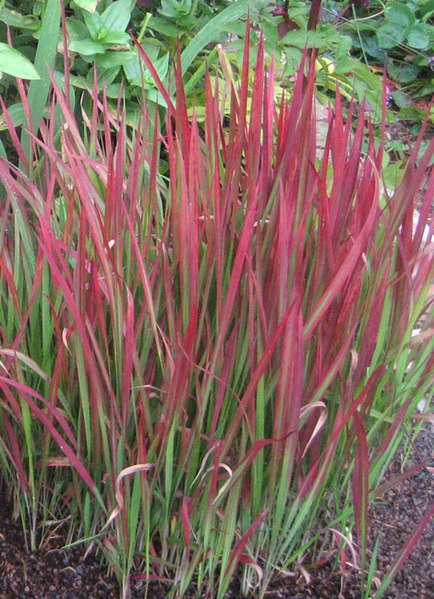
 deciduous; broadleaf foliage that is the most colorful of the grasses with the blood red color at the upper half of the blade