May 11, 2020

AGC member, Gena Goddard, is especially happy with her Yellow Tree Peony that’s blooming in her garden today!
May 11, 2020
AGC member, Gena Goddard, is especially happy with her Yellow Tree Peony that’s blooming in her garden today!
Plant Name: Monarda didyma
Common name: Scarlet Bee Balm
Plant Type: Perennial
Plant Height: 2’ – 4’
Spread: 2’ – 3’
Bloom Time: May – October.
Flower Color: Scarlet Red
Exposure: Sun to Part Shade.
Soil Requirements: Rich, Moist, Acidic.
Water Needs: Medium
Attributes: Attracts Hummingbirds, Bees, Butterflies; Nectar Source, Deer Resistant; Good Cut Flower;
Note: Susceptible to Powdery Mildew; in the Mint Family; Deadhead Flowers to Prolong Summer Bloom.
Uses: Perennial Border; Cottage Garden; Native Plant Garden; Bird & Butterfly Garden.
Native to: Eastern North America & Oregon & Washington
Oregon Native: YES
USDA Hardiness Zone: 4 – 9
Report by: Viki Ashford, Master Gardener & AGC Member
From Earth Easy
https://learn.eartheasy.com/guides/garden-mini-insectary/Gardening for Beneficial Insects
Tips and Suggestions for Your Insectary Gardening
|
“Mini Insectary” Plants |
Beneficial Predators Attracted |
|
Achillea filipendulina (Yarrow) |
Lacewings, Aphidius, Ladybugs |
|
Alyssum
|
Hoverflies, Lacewings, Tachnid flies |
|
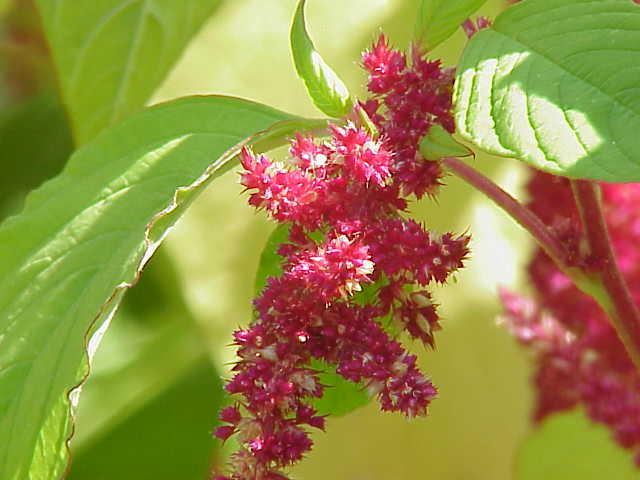
Amaranthus (Amaranth)
|
Ground beetles |
|
Anethum graveolens (Dill)
|
Ichneumon wasp, Ladybugs, Lacewings |
|
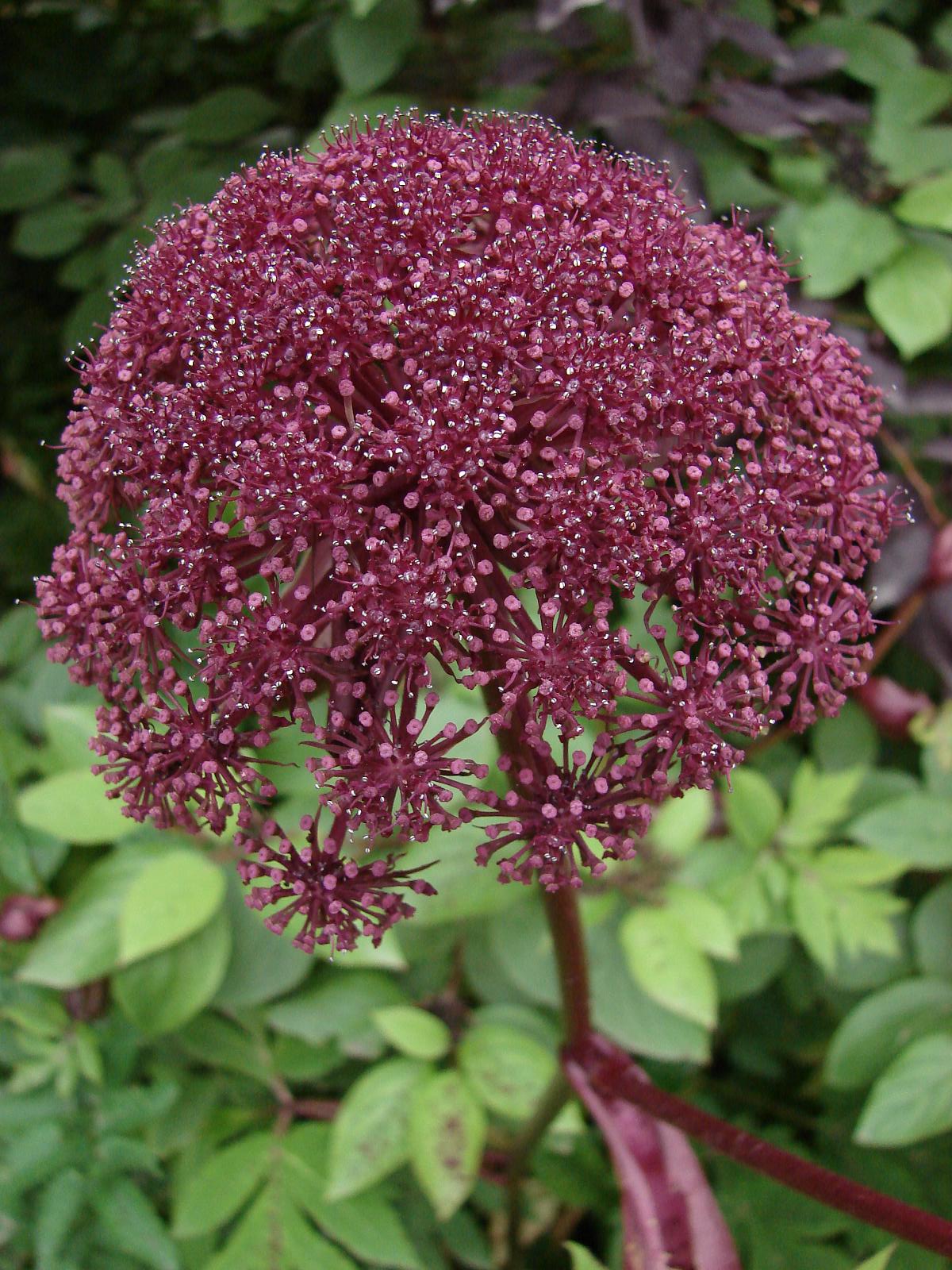
Angelica gigas (Korean angelica, giant angelica, purple parsnip)
|
Lacewings |
|
Convolvulus minor (Dwarf Monring Glory) |
Ladybugs, Hoverflies |
|
Coreopsis (Tickseed)
|
Hoverflies, Lacewings, Parasitic wasps |
|
Cosmos bipinnatus (Garden Cosmos)
|
Hoverflies, Parasitic wasps, Lacewings |
|
Digitalis (Foxglove) |
Dicyphus |
|
Daucus Carota (Queen Anne’s lace)
|
Lacewings, Ladybugs, Hoverflies |
|
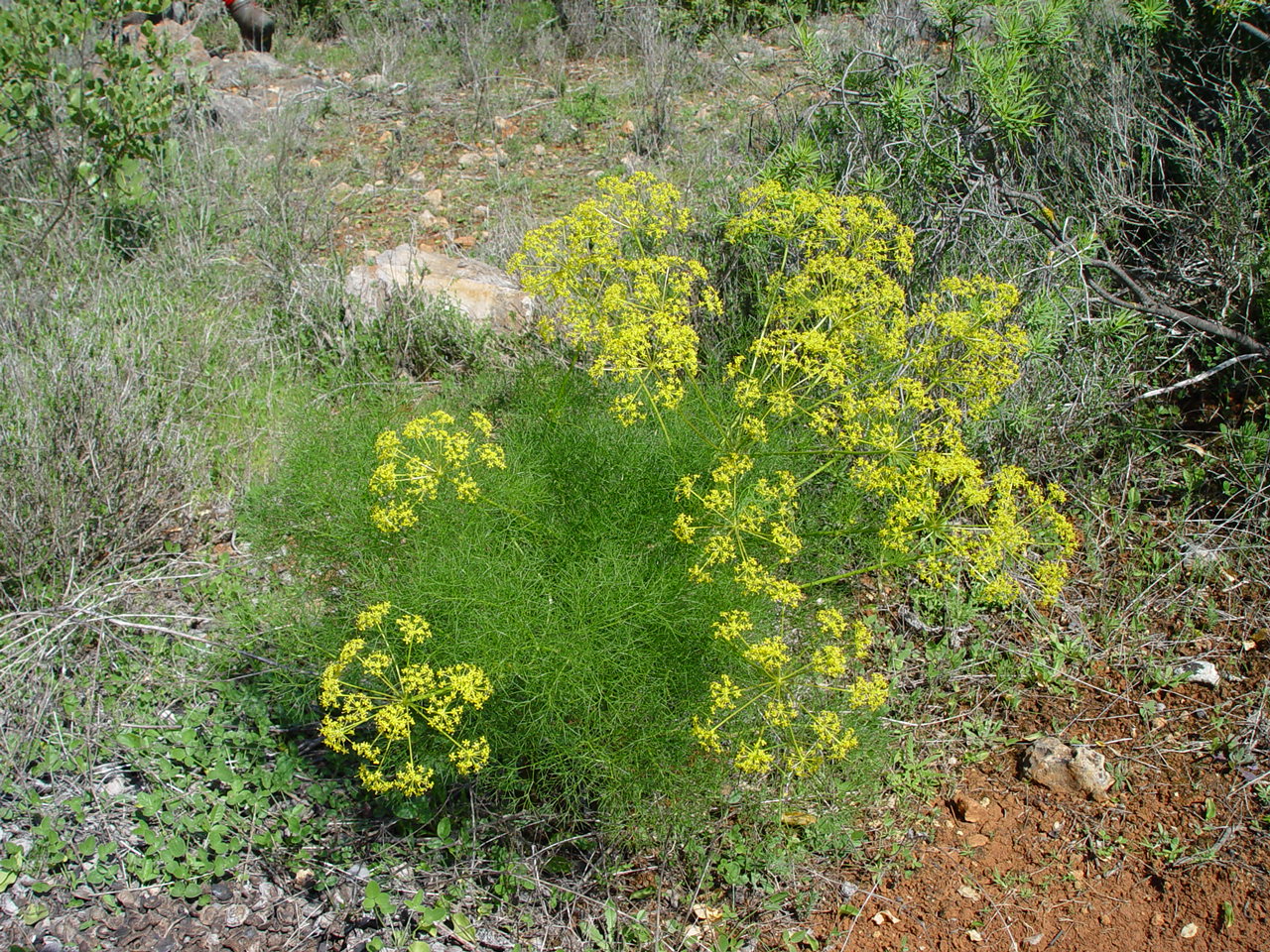
Foeniculum vulgare (Fennel)
|
Foeniculum vulgare (Fennel) |
|
Helianthus annulus (common Sunflower)
|
Pirate bugs, Beneficial mites,, Aphidius, Parasitic wasps |
|
Iberis umbellata (Candytuft)
|
Hoverflies |
|
Limonium latifolium (Statice)
|
Hoverflies, Parasitic wasps |
|
Lupine
|
Aphidius, Aphidoletes, Hoverflies |
|
Melissa officinalis (Lemon balm)
|
Parasitic wasps, tachinid flies |
|
Petroselinum crispum (Parsley)
|
Parasitic wasps, hoverflies, tachinid flies |
|
Scabiosa (Pincushion flower)
|
Hoverflies, Parasitic wasps |
|
Shasta Daisy
|
Pirate bugs, Beneficial mites |
|
Tanacetum vulgare (Tansy)
|
Ladybugs, Lacewings |
|
Verbascum thaspus (Mullin)
|
Dicyphus |
|
Beneficial Predators |
Prey |
|
Aphidius (Parasitic wasps)
|
Aphids |
|
Aphidoletes (Small midge)
|
Aphids |
|
Beneficial mites (many species) |
Thrips, spidermite, fungus gnats |
|
Damsel Bugs (Nabidae) |
Eggs of many pest insects |
|
Dicyphus
|
Whiteflies, aphids, thrips, spider mites |
|
Ground Beetles
|
Slugs, small caterpillars and grubs |
|
Hoverflies
|
Aphids, mealybugs and others |
|
Lacewings
|
Scale, aphids, mites, softbodied insects |
|
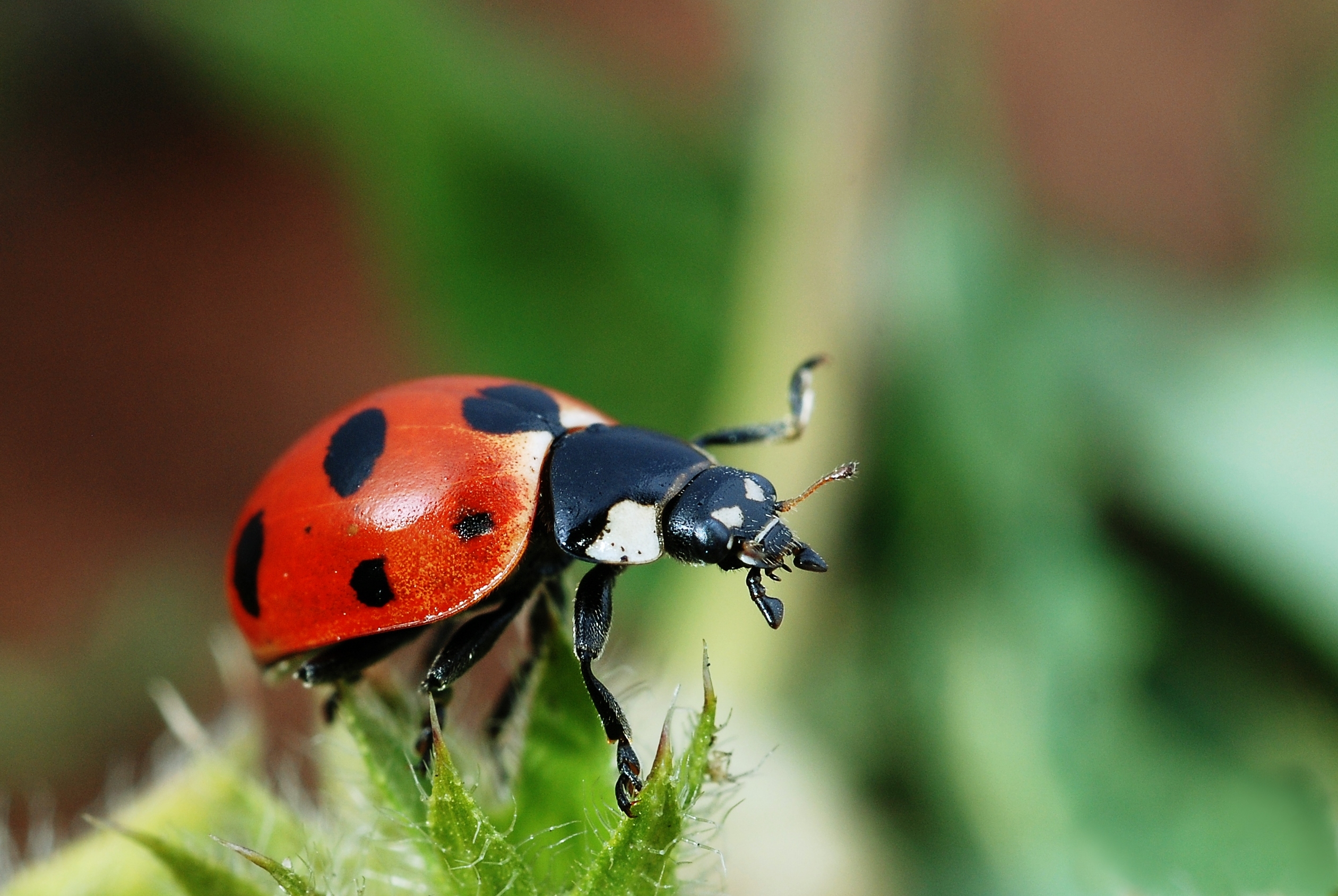
Ladybugs
|
Aphids, mites |
|
Pirate Bugs
|
Thrips, aphids, mites, scales, whiteflies |
|
Tachinid flies
|
Caterpillars, beetle and fly larvae |
|
Parasitic Wasps (many species) |
Whiteflies, moth, beetle and fly larvae |
Plant Name: Monardella odoratissima
Common name: Coyote Mint, Mountain Pennyroyal
Plant Type: Evergreen Herbaceous Perennial
Plant Height: 1’
Spread: 3’
Bloom Time: June – August
Flower Color: Whitish to Pale Purple to Pink.
Exposure: Full Sun to Part Shade
Soil Requirements: Sandy, Well-Draining.
Water Needs: Drought Tolerant
Attributes: Aromatic; Hosted by Butterflies & Moths.
Note: Short-lived species; Deadhead spent blossoms; Cut back in fall.
Uses: Bee, Butterfly, Hummingbird Gardens; Container.
Native to: Western US & Canada
Oregon Native: YES
USDA Hardiness Zone: 5 – 10
Report by: Viki Ashford
Photo by: Orchid Black / CC BY-SA (https://creativecommons.org/licenses/by-sa/2.5)
Plant Name: Coreopsis verticullata ‘Zagreb’
Common name: Threadleaf Coreopsis ‘Zagreb’
Plant Type: Herbaceous Perennial
Height: 18 – 24 inches
Spread: 12 – 18 inches
Bloom Time: May – June
Flower Color: Bright Yellow
Exposure: Full Sun
Soil Requirements: Tolerates Dry, Shallow, Rocky Soil;
Water Needs: Dry to Medium
Attributes: Showy Flower; Deer Tolerant; Drought Tolerant; No Serious Disease or Insect Problems; Attracts Butterflies
Note: Deadheading encourages additional bloom & prevents unwanted self-seeding. Plants may be sheared in mid to late summer to promote fall re-bloom & remove sprawling foliage. Can spread aggressively by rhizomes & self-seeding. Crown Rot may occur in poor draining soils.
Uses: Native Plant Gardens; Cottage Gardens; Borders; Containers; Cut Flowers; Naturalizing, Butterfly Gardens,
Native to: Eastern USA
Oregon Native: NO
USDA Hardiness Zone: 3 – 9
Report by: Viki Ashford
In Hawaii, Gomphrena globosa is commonly used in long-lasting leis since it retains its shape and color after drying. In Nepal, these flowers are in garlands used for the last day of Tihar, a five-day-long Hindu festival when sisters adorn brothers with a garland. This day is called Bhai Tika – Worship of Brother.
Plant Name: Gomphrena globosa
Common name: Globe Amaranth
Plant Type: Annual
Plant Height: 1’ – 2’
Spread: .5’ – 1’
Bloom Time: June to Frost
Flower Color: Pink, Purple, White, Yellow, Magenta.
Exposure: Full Sun
Soil Requirements: Tolerates most soils.
Water Needs: Medium
Attributes: Showy Flower; Good Dried or Long-Lasting Cut Flower; Attracts Butterflies; Drought Tolerant; Tolerates Clay Soil.
Note: If sowing seeds, germination rate is low; pinch plants to promote bushiness.
Uses: Borders, Rock Gardens, Cutting Gardens, Containers.
Native to: Central America & northern South America
Oregon Native: NO
USDA Hardiness Zone: 2 – 11